PRECIOUS BRAIN
Take care of yourself and your brain!
THE dynamic NEUROFEEDBACK
Le Neurofeedback Dynamique est une technique d’entrainement cérébral issue de la recherche des neurosciences permettant d'optimiser le fonctionnement du cerveau.
o Cette technique est non invasive, non directive et totalement indolore.
o Elle aide votre cerveau à se réorganiser, s’autoréguler naturellement et procure un bien-être général.
o Elle améliore votre quotidien d'un point de vue intellectuel, cognitif, émotionnel, physique et comportemental.
o Elle augmente votre potentiel, vos performances et votre créativité.
La METHODE NeurOptimal®
NeurOptimal® est une technologie de pointe considérablement évoluée, utilisant un logiciel mathématique en 4D. NeurOptimal® est capable de renforcer l'incroyable potentiel naturel cérébral en l'aidant à un meilleur traitement des informations. Ceci sans intervenir, ni manipuler ni imposer.
PRINCIPLES and benefits
CONCRETELY
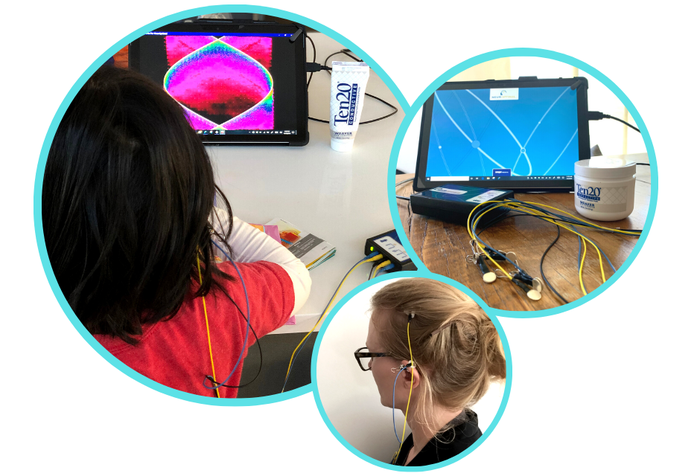
Using 2 sensors placed on the scalp and 3 clips on the ears, software analyzes the electrical activity of the brain at a rate of 256 times per second. As soon as a sudden change in brain activity is detected, a very brief interruption of the sound is triggered. This feedback, materialized by micro cuts in sound, indicates to the brain the need to reorganize itself. It is this feedback sent to the brain about its own functioning that we call “feedback”. And, it is the repetition of this “feedback” which generates a positive change throughout the sessions.
FOR WHO?
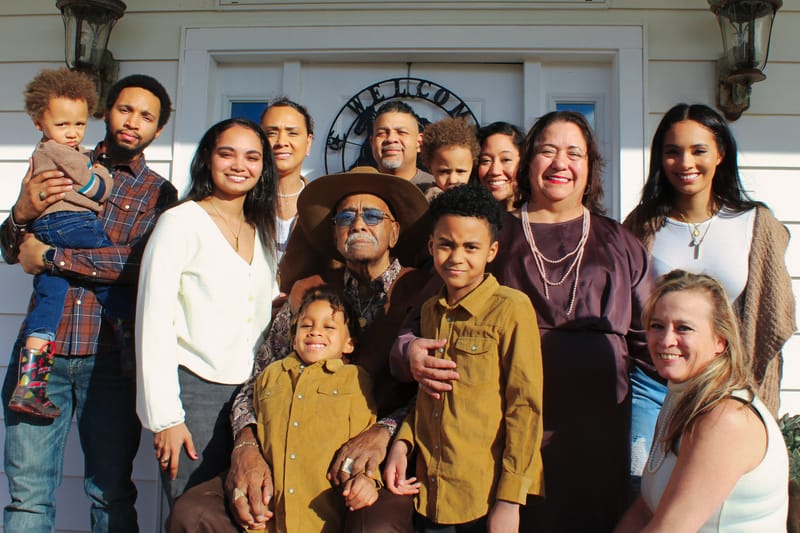
Since this training is passive, painless and without side effects, it is accessible to everyone, regardless of age. Everyone can practice Dynamic Neurofeedback: children, adolescents, adults, seniors and even pregnant women and babies. And it is aimed at all audiences: schools, universities, businesses (managers, employees), retirees, athletes, artists, etc.

WHY?
Dynamic Neurofeedback is particularly indicated for: Attention deficit disorders (ADD, ADHD), learning disorders (DYS), Stress, Anxiety, Mental load, Burn-out, Depression, Sleep disorders, sleep disorders behavior, OCD, Hyperactivity, Trauma and stroke, Autism spectrum disorders, Migraines, Memory problems, Tinnitus. On the other hand, this method is in no way a medical treatment and can in no way replace it. It comes as a complement.

THE BENEFITS
Dynamic Neurofeedback helps improve the lives of many people. Seeing a person exhausted after years of insomnia, arriving with a relaxed and rested face; hearing another depressed and unmotivated person explain their plans; see an autistic child running away from others, looking into their eyes and smiling; seeing another child regain self-confidence by seeing their school results improve after a few sessions, seeing a person who has suffered a stroke walk without their cane, ... all this gives enormous meaning to my support.

Learn more
Le Neurofeedback Dynamique (DYNAMICAL NEUROFEEDBACK) est la technologie la plus avancée à ce jour en Neurofeedback. C'est le Dr Val Brown Phd et son épouse Sue Brown Phd qui vont créer et mettre au point le Neurofeedback de seconde génération en 1996. Alors que les autres systèmes apprennent aux personnes à entraîner consciemment leur activité cérébrale, Dynamical Neurofeedback part du principe que le cerveau peut se transformer beaucoup plus rapidement par des mécanismes non-conscients que par ceux qui font appel à la conscience (le conscient utilise des circuits neuronaux plus lents que le non-conscient). Dynamique car les seuils de feedback sont réévalués en fonction de ce qui se passe dans le cerveau 256 fois/seconde en globalité. Dynamical Neurofeedback ® prend en compte les 2 hémisphères et toutes les fréquences comprises entre 0 et 42 Hz et cela de façon simultanée. C'est grâce à ce système dynamique que cette méthode donne de si bons résultats, beaucoup plus durables et sans effets secondaires car le cerveau travaille dans sa globalité et non sur une zone ciblée par une demande. Il s'auto-répare en utilisant son autonomie naturelle. Le Neurofeedback est largement utilisé outre atlantique depuis plus de 40 ans et commence à être connu et reconnu en France grâce à la médiatisation de ses bienfaits dans de nombreux domaines par des professionnels de santé (psychiatres, neurologues, gériatres, orthophonistes, ...). L'ADNF (Association de Diffusion du Neurofeedback en France) concourt à son rayonnement. www.adnf.org
THE SESSION
You hear brief audio dropouts, and that's it. You have nothing to do ! Your brain will work on its own!
Relax!
The sessions are a moment of escape and relaxation in your busy daily life. According to people, it's a real bubble of well-being just for you!
The originality of this method is that you don't have to do anything. It is not talk therapy requiring reliving past traumas. You just have to enjoy this moment of relaxation!
THE RATES
- Séance d'1 heure : 70€
- Forfait "Zen" 10 séances : 600€ (valable 3 mois) soit 60€ la séance
- Forfait "sérénité" 20 séances + 2 séances offertes : 1200€ (valable 6 mois) soit 55€ la séance
Séance à domicile : supplément de 10€/ séance
Séance en entreprises : sur devis
Paiements acceptés : Chèque, virement et espèces
Bon à savoir
Les séances ne sont pas remboursées par la Sécurité Sociale. En revanche, il se peut que votre mutuelle prenne en charge quelques séances dans le cadre d'un forfait médecines douces. N'hésitez pas à vous renseigner auprès de votre mutuelle!
Contact/appointment
- I receive you at the Portes de Paris, in Clamart, in the Hauts de Seine (92).
- Hours - Monday to Friday from 8 a.m. to 8 p.m. - Saturday from 8 a.m. to 1 p.m. - Closed on Sunday
Feel free to message me with any questions.
Who am I?
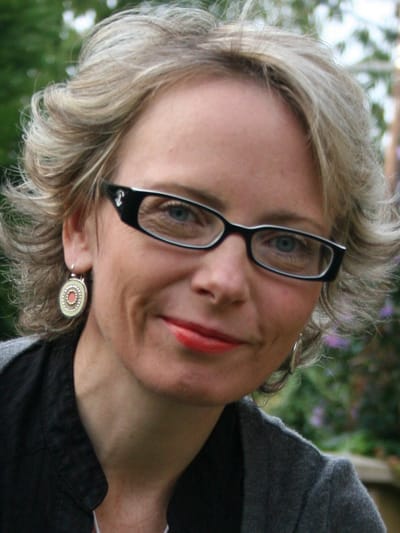
Passionnée par le développement personnel, je décide de me former au coaching, au Neurofeedback Dynamique, aux Neurosciences, à l' Ennéagramme, à la Gestion Mentale et au Dialogue Pédagogique. Et, en 2023 je crée PRECIOUS BRAIN.
Aujourd'hui, j’accompagne en séances individuelles, enfants, adolescents, adultes et seniors sur de nombreux domaines (burn out, dépression, troubles de l'apprentissage - DYS, troubles de l'attention TDA/H, troubles du comportement - TOC, TSA, charge mentale, perte de confiance en soi, ...). J'interviens également en entreprises auprès des cadres de direction, des managers ou des salariés en organisant des ateliers sur mesure dédiés au bien-être, au lâcher-prise et au développement personnel.
Forte d'un riche parcours, je vous reçois avec chaleur et bienveillance dans mon cabinet situé à Clamart en coeur de ville.
Venez profiter des bienfaits du Neurofeedback Dynamique dans un cadre calme et cocooning!
A très vite
Stéphanie
Formation
- En neurosciences - Certifiée par l'Académie Européenne des Neurosciences
- Coaching
- Neurofeedback Dynamique NeurOptimal - certifiée par l'Institut ZENGAR
- Ennéagramme Dynamique - certifiée par Najiba Chafiki
- Coaching Scolaire - formée par l'EIC
THEY ARE TALKING
Rafaël Institute - Levallois Perret (92)
Initiated around the issue of cancer and the deleterious effects of its treatments, the Rafaël Institute offers neurofeedback sessions to patients to better support the treatments: "Neurofeedback allows cancer patients to face difficulties without apprehension and effectively to let go and improve or even recover sleep that has sometimes been lost or disturbed". contact@institut-rafael.fr

Marie Druker - journalist
Marie Drucker, journalist, radio and TV host and documentary filmmaker devotes in her 5th book entitled "En Forme!" (2021) a whole chapter on Dynamic Neurofeedback.

Burn Out Center - Paris (75007)
The Burn Out Center located in Paris, offers specific and personalized burn out support. At the heart of the proposed approaches is Neurofeedback. "It is the synergy of these techniques that makes them effective: nothing is essential, everything is necessary".

Sportsmen
Many athletes swear by Dynamical Neurofeedback and say it improves their performance. Among them, Ludivine LASNIER, multiple French Champion, European Champion and triple World Kick Boxing Champion. Or, Stéphane TOURREAU, Freediving World Champion in constant weight, member of the French team. “Neurofeedback is the future of competitive sports. It has helped me concentrate and stay relaxed despite pressure” - Richard FAULDS, Gold medal at the Sydney Olympics (2000). "I think all competitions require concentration. From chess to memorization competitions and from golf to trap shooting, tomorrow's champions will need to sharpen their minds with neurofeedback. The athlete who ignores this revolutionary technology will be overwhelmed" - Dominic O'BRIEN, World Memory Champion.
Optical Center
Optical Center promotes Neurofeedback on its website as a possible treatment for tinnitus. "Today, many treatments are offered to tinnitus patients. Neurofeedback is an innovative technique that can be considered to treat tinnitus. The dynamic Neurofeedback technique combines electrical activity sensors with a device that analyzes the signal received 256 times at the second. The patient listens to music which is interrupted when the computer detects an electrical disturbance. When the music is interrupted, even in an almost imperceptible way, the nervous system becomes aware of this alteration in regularity. As a result , the brain which seeks continuity observes itself to better self-regulate. In the event of tinnitus, dynamic neurofeedback makes it possible to trigger this self-regulation so that the brain carries out a reprogramming. This latter allows a new processing of the parasitic noises that are tinnitus".

Depression Center - Paris (75007)
The Depression Center offers care in town, without hospitalization, to relieve the suffering of patients with these pathologies. "A first appointment is necessary with one of the center's doctors in order to make a diagnosis or to verify it, to find the cause of the disorder and to offer you a treatment plan including psychological support, stimulation, neurofeedback and others depending on your situation"
Association DYS-POSITIVE
The objective of this association is to be able to help children, parents and teachers confronted with learning disabilities: dyslexia, dyspraxia, dysorthographia, dysphasia, dyscalculia, ADD(H)... On its website, DYS-POSITIF quotes Neurofeedback in the treatment of ADHD "ADHD treatment: all about neurofeedback!" So, is neurofeedback interesting? Could your hyperactive child need it? Several specialists involved in the management of ADHD highly recommend it, as the long-term results are impressive! And it would seem that this technique only offers advantages: 100% natural, it does not cause any undesirable side effects; 100% simple, the sessions do not require any particular effort. Effective, after several sessions, the improvements are noticeable and lasting. Depending on the nature, severity and number of symptoms to be treated, the number of sessions can range from ten to 20 sessions.